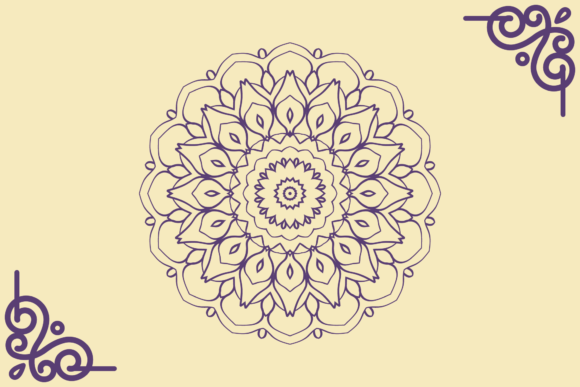
Decorative Mandala Graphic Art
As an embroidery designer and product reviewer, I often evaluate designs based on their versatility, visual impact, and practicality for real-world use. Decorative Mandala Graphic Art caught my attention not just for its aesthetic appeal but for how it could translate into a wide range of handmade and commercial projects. Let’s dive into what this design offers and how it might fit into your creative workflow.
The First Impression: Aesthetic and Emotional Impact
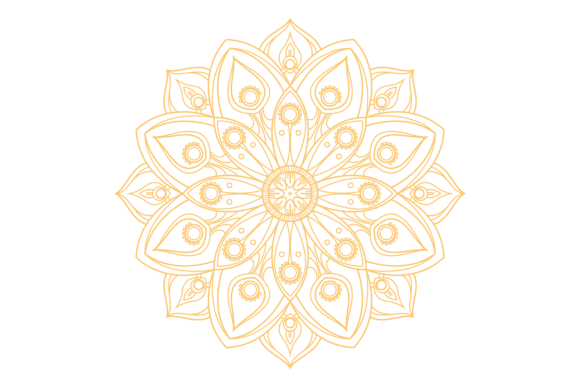
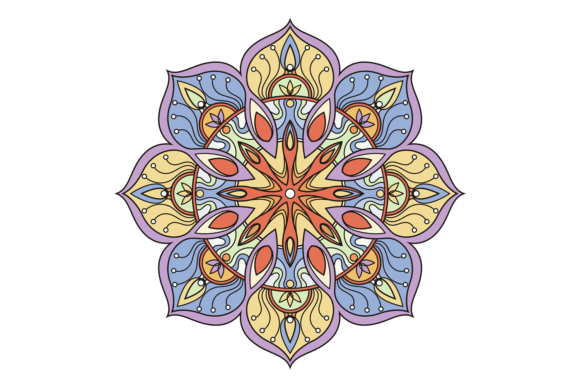
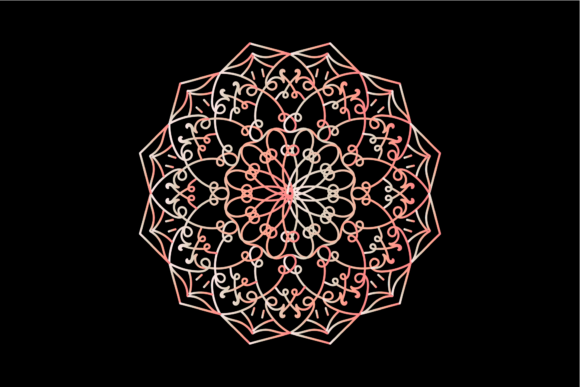
From the moment I viewed Decorative Mandala Graphic Art, it exuded a sense of calm and intricate beauty. The mandala theme is inherently symbolic—often associated with mindfulness, spirituality, and harmony. The design’s layout is balanced, with repeating patterns that create a rhythmic flow without feeling overwhelming. Its detail level is impressive, making it suitable for both minimalist and elaborate embroidery applications.
This design feels like it belongs in spaces that value artistry and intentionality. It’s ideal for products that aim to evoke a sense of peace or cultural appreciation, such as yoga mats, meditation cushions, or even home decor items. But it also has the potential to be adapted for more casual uses, like personalized gifts or boutique merchandise.
Real-World Embroidery Use Cases
When considering where to apply Decorative Mandala Graphic Art, I immediately thought of a custom embroidered tote bag for a small shop. The design’s size (1920 px x 1280 px) makes it scalable for various fabric types and project sizes. Whether you’re working on a sweatshirt, baby onesie, or an apron, the design can be adjusted to fit without losing its visual integrity.
For apparel decorators, this design could work well as an embroidered patch or a standalone element on a cap or jacket. Its symmetry and complexity make it a strong candidate for applique designs, especially when paired with satin stitch or fill stitch techniques. However, it’s important to consider how the design interacts with different fabric textures. On stretchy or thin materials, the stitching may appear less defined, so testing on scrap fabric is essential.
Where to Use With Caution
While Decorative Mandala Graphic Art is visually striking, there are scenarios where it might not perform as well. For instance, if you’re working with small hoop sizes, the design’s intricate details could become challenging to stitch accurately. Similarly, on dark fabrics, the contrast between the design and the background may need careful consideration of thread colors to ensure visibility.
On textured or stretchy fabrics, the design’s fine lines and small elements might get lost or distorted during the embroidery process. If you’re planning to use it on curved surfaces like caps or hoods, you’ll want to ensure that the design is appropriately scaled and positioned to avoid distortion. Also, if the design includes tiny lettering or dense stitch areas, you may need to adjust the stitch density to maintain clarity.
Impact on Visual Appeal and Product Value
Decorative Mandala Graphic Art has the potential to elevate the visual appeal of any product it’s applied to. Its intricate patterns can add a unique touch to handmade products, making them stand out in a crowded market. For Etsy sellers or craft business owners, this design could serve as a key differentiator, helping to attract customers looking for artistic and meaningful items.
When used effectively, it can enhance the perceived value of a finished product. Customers often associate detailed and thoughtful designs with higher quality, which can lead to increased trust and repeat purchases. This is especially true for personalized gifts or holiday-themed items, where the design plays a significant role in the overall presentation.
Practical Tips for Embroidery Designers
If you’re planning to use Decorative Mandala Graphic Art in your projects, here are a few practical tips to keep in mind:
- Test on scrap fabric first to assess how the design translates to different materials and stitch types.
- Check thread color contrast against the fabric to ensure the design is visible and impactful.
- Review stitch density to avoid overcrowding or under-stitching, depending on the design’s complexity.
- Confirm hoop size requirements to ensure the design fits within your machine’s capabilities.
- Inspect small details to make sure they remain clear after stitching.
- Test in black and white mockups to see how the design looks without color.
- Compare light and dark fabric backgrounds to determine the best application for your project.
- Use proper stabilizer to prevent puckering or distortion on delicate or stretchy fabrics.
- Verify licensing before selling finished items or digital products to avoid legal issues.
These steps will help you maximize the potential of Decorative Mandala Graphic Art while maintaining the quality and professionalism of your work.
Final Thoughts: A Versatile Design for Creative Entrepreneurs
Decorative Mandala Graphic Art is a design that offers both beauty and flexibility. It’s well-suited for a variety of embroidery projects, from custom apparel to personalized gifts and commercial merchandise. However, its success depends on how well it’s adapted to the specific needs of each project.
Whether you’re an Etsy seller, a small shop owner, or a hobbyist, this design could be a valuable addition to your collection of digital embroidery files. Just remember to approach it with care, test it thoroughly, and tailor it to the fabric and project at hand. With the right execution, Decorative Mandala Graphic Art can turn into a standout piece that resonates with your audience and enhances your brand’s visual identity.