Elegant Decorative Line Art Graphics and Illustrations
As a brand designer and content marketer, I’ve seen countless design assets come and go. But when I stumbled upon Elegant Decorative Line Art, it immediately caught my eye. This ornamental illustration is more than just a pretty design—it’s a powerful tool for visual storytelling and brand communication.
The First Impression: Aesthetic and Emotional Tone
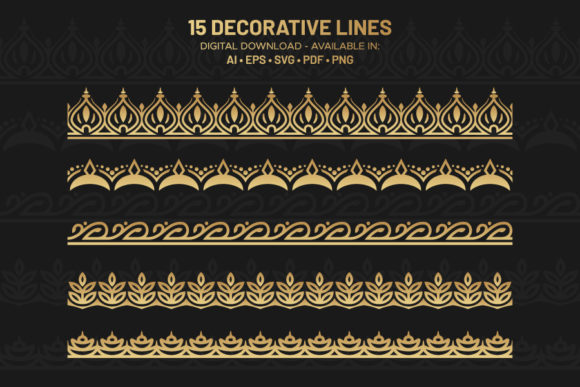
Elegant Decorative Line Art exudes a sense of refinement and sophistication. The intricate filigree and oriental motifs create a mood that feels timeless yet modern. It’s the kind of design that can elevate a simple marketing piece into something visually compelling. Whether you're targeting a luxury audience or aiming for a handmade aesthetic, this graphic design asset has the versatility to fit a range of brand identities.
Its black-and-white style makes it adaptable across different color palettes, allowing it to blend seamlessly into both minimalist and richly detailed designs. The clean lines and balanced composition ensure it doesn’t overwhelm the viewer, making it ideal for branding that needs to feel professional without being cluttered.
Real-World Applications in Marketing and Branding
From packaging design to social media graphics, Elegant Decorative Line Art can be integrated into various touchpoints. For small business branding, it adds a layer of elegance that can help differentiate a product from competitors. In digital ads, it serves as a subtle yet effective visual anchor that draws attention without distracting from the main message.
When used in content marketing, this design asset enhances visual hierarchy by providing a clear focal point. It works well in blog headers, email banners, and lead magnets, where it can reinforce brand identity while maintaining a clean and professional look. For event promotions, it brings an air of sophistication that aligns with high-end or cultural themes.
It also shines in editorial design, whether for print or digital formats. As a Canva template element, it offers a quick way to add visual interest without requiring advanced design skills. For creative marketplaces, it’s a valuable addition to a design bundle, offering flexibility for users who need versatile illustrations for their projects.
Supporting Marketing Goals with Visual Consistency
One of the most valuable aspects of Elegant Decorative Line Art is its ability to support consistent branding. When used across multiple platforms—social media covers, product labels, or packaging inserts—it creates a cohesive visual language that strengthens brand recognition. This consistency builds audience trust, as consumers begin to associate the design with your brand’s values and quality.
It also helps in creating a stronger first impression. In a world where attention spans are short, a well-designed visual can make all the difference. By incorporating this line art into your marketing visuals, you’re not just adding decoration—you’re crafting a narrative that resonates with your target audience.
Where It Excels: Strategic Placement in Campaigns
Elegant Decorative Line Art thrives in areas where visual appeal is key. Hero graphics, campaign headers, and product launch visuals benefit greatly from its presence. It adds a touch of class that can make a campaign stand out in a crowded digital space.
In branded templates and content bundles, it provides a polished edge that elevates the overall design. For Pinterest graphics and Instagram posts, it acts as a strong visual hook that encourages engagement. Event flyers and posters gain a professional look that reflects the importance of the occasion.
As a decorative brand element, it complements other design elements without overpowering them. Whether used as a background, border, or accent, it maintains a balance that keeps the focus on the core message of the campaign.
Where to Use It Carefully: Avoiding Overuse
While Elegant Decorative Line Art is highly versatile, it’s important to use it thoughtfully. In formal corporate branding, it may not align with the desired tone if the brand is meant to feel more straightforward or minimal. Similarly, in dense information layouts, it could compete with the main content, reducing readability.
Small mobile graphics may not showcase its detail effectively, and low-contrast backgrounds could make it less visible. In overly minimal brands, it might feel out of place. Text-heavy ads and designs where the main message is critical should avoid using it as a dominant element.
Understanding these limitations ensures that the design asset enhances rather than hinders your marketing efforts.
Practical Designer Notes: Testing and Integration
Before finalizing any campaign, it’s essential to test Elegant Decorative Line Art within real-world scenarios. Preview it against your brand’s color palette to ensure it complements rather than clashes. Check how it looks in black and white, as well as in full color, depending on your design needs.
Place it inside mockups of your campaign materials to see how it interacts with other elements. Test it on mobile screens to confirm it remains legible at smaller sizes. Compare it with competitor visuals to ensure it stands out in the market.
Consider how it pairs with different font styles—serif, sans serif, script, or display fonts. Review spacing and balance to ensure it doesn’t disrupt the visual flow. Always verify the commercial license before using it in paid campaigns, client work, or business branding.
Conclusion: A Versatile Asset for Creative Marketers
Elegant Decorative Line Art is more than just a graphic design asset—it’s a strategic tool that can enhance your marketing efforts. Whether you're launching a new product, refreshing your brand visuals, or building a content kit, this illustration offers a refined aesthetic that supports both creativity and professionalism.
For small business owners, digital sellers, and content creators, it’s a valuable addition to your design toolkit. With careful integration and thoughtful placement, it can help you craft campaigns that resonate emotionally, build trust, and leave a lasting impression on your audience.