Green Branch: Botanical Graphics for Editorial Design
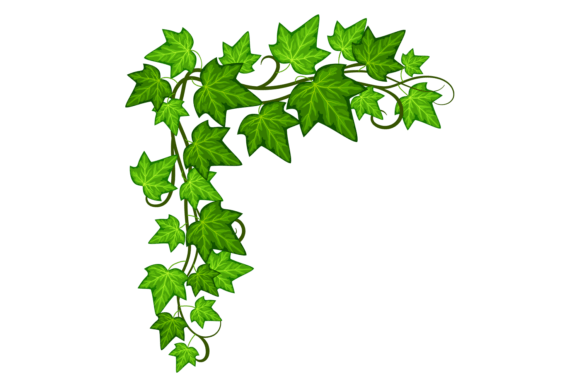
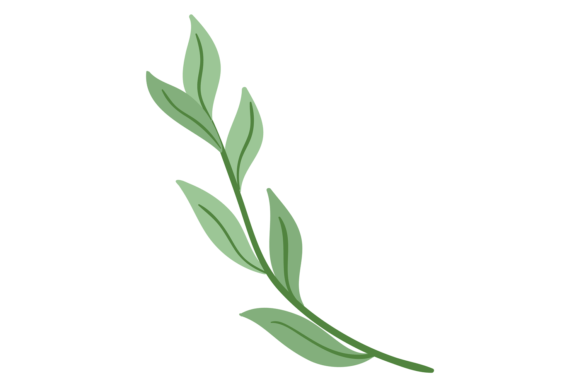
As a blog designer and digital publisher, I'm always on the lookout for high-quality graphic design assets that elevate content presentation and support editorial quality. Green Branch. Decorative Botanical Element is one such asset that brings a fresh, natural aesthetic to website visuals, editorial layouts, and content marketing materials. With its clean, floral print on a white background, this decorative botanical element offers versatility across multiple publishing needs.
The First Impression: A Natural, Polished Look
Upon first glance, Green Branch exudes a calm, organic vibe that feels both modern and timeless. The isolated floral print creates a sense of clarity and focus, making it ideal for content that aims to feel professional yet approachable. This design element supports niches like lifestyle blogs, wellness sites, home decor publications, and educational resources where a touch of nature enhances the reader experience.
The visual mood it creates is light, inviting, and slightly artistic. It doesn’t feel overly playful or childish, but rather refined and suitable for a variety of audiences. Whether used in a blog header, newsletter banner, or social media post, Green Branch adds a layer of sophistication without overwhelming the viewer.
Real-World Publishing Use Cases
Green Branch. Decorative Botanical Element can be seamlessly integrated into a wide range of content publishing workflows. Here are some practical applications:
- Blog Featured Images: Enhance article headers with a subtle, elegant graphic that draws attention without distracting from the text.
- Pinterest Pins: Create eye-catching visuals that stand out in a crowded feed while maintaining a cohesive brand aesthetic.
- Article Headers: Use as a decorative accent above headlines to improve visual hierarchy and make content more scannable.
- Website Banners: Add a touch of nature to landing pages, category sections, or promotional banners for a fresh, updated look.
- Newsletter Graphics: Elevate email templates with a clean, branded design element that reinforces your brand identity.
- Lead Magnets: Incorporate into downloadable resources like worksheets, checklists, or guides to make them more visually appealing.
- Canva Templates: Use as a base for custom graphics that users can easily edit and adapt for their own projects.
- Social Media Posts: Add a professional touch to Instagram stories, Facebook posts, or Twitter cards with a consistent visual theme.
Boosting Content Performance with Green Branch
Visuals play a crucial role in how readers perceive and engage with content. Green Branch. Decorative Botanical Element helps create stronger first impressions by offering a clean, modern design that aligns with current trends in web design and editorial layout. Its neutral white background ensures it works well with most color schemes, making it a flexible choice for branding and content marketing.
This graphic design asset also supports better click-through potential. When used as a thumbnail or featured image, it adds a level of polish that makes content appear more trustworthy and professional. For affiliate marketing and content marketing efforts, having a consistent visual identity through assets like Green Branch can significantly improve audience recognition and engagement.
Where Green Branch Shines
Green Branch excels in situations where a soft, natural aesthetic is desired. It works best as a hero image, article thumbnail, or Pinterest pin, where its simplicity allows it to stand out. In editorial layouts, it serves as a subtle accent that adds depth without competing with other elements.
It’s also great for content upgrades, downloadable resources, and digital guides that require a clean, professional look. As a lead magnet, it can be used to create printable designs or Canva templates that offer value while reinforcing brand identity.
When to Use with Caution
While Green Branch is versatile, there are scenarios where it may not be the best fit. On small mobile thumbnails, the detail might get lost, so testing at different sizes is essential. In text-heavy blog images, it could distract from the main message, so balance is key.
For serious professional niches or corporate websites that rely on minimal design systems, Green Branch may feel too decorative. Similarly, in low-contrast backgrounds or busy layouts, it might not stand out as intended. Always test it in real-world scenarios before finalizing its use.
Publisher Notes: Practical Tips for Using Green Branch
Before incorporating Green Branch. Decorative Botanical Element into your workflow, consider the following tips:
- Test on desktop and mobile screens: Ensure it looks good on all devices, especially when used as a thumbnail or social media preview.
- Preview in a real blog layout: See how it interacts with headlines, body text, and other design elements.
- Check contrast and readability: Make sure it complements your typography and doesn’t clash with your color scheme.
- Try different font pairings: Place it beside serif, sans serif, script, handwritten, and display fonts to see how it performs visually.
- Review file size: Optimize images for web performance, especially if using them on monetized sites or affiliate pages.
- Confirm commercial licensing: Verify that you have the right to use it on paid content, digital products, or commercial websites.
Green Branch. Decorative Botanical Element is a valuable addition to any creative designer’s toolkit. Whether you're working on a blog, digital guide, or social media campaign, this graphic design asset offers a polished, natural look that enhances editorial quality and supports effective content marketing strategies.