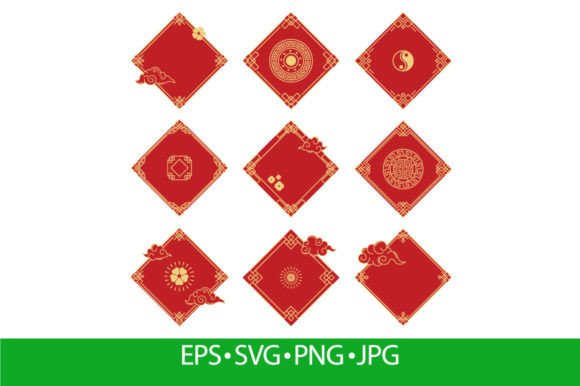
Traditional Chinese Decorative Oriental Graphics and Illustrations
As a digital publisher and blog designer, I’ve come across countless graphic design assets, but few have the visual depth and cultural resonance of Traditional Chinese Decorative Oriental. This set of illustrations offers a rich blend of traditional motifs and modern design sensibilities, making it a versatile tool for content creators across multiple platforms.
The First Impression: Aesthetic and Editorial Mood
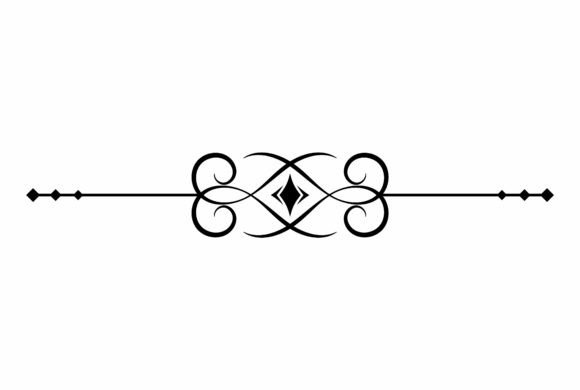
Traditional Chinese Decorative Oriental immediately evokes a sense of elegance and cultural richness. The ornamental frames, banners, and decorative elements create an editorial mood that feels both artistic and timeless. It’s ideal for content niches that lean into lifestyle, art, culture, or seasonal themes. Whether you're designing for a travel blog, a lifestyle website, or a creative marketplace, this asset adds a layer of sophistication that can elevate your visual storytelling.
It doesn’t feel overly bold or modern—it strikes a balance between traditional and contemporary, making it adaptable to a wide range of design styles. From minimalist layouts to more elaborate editorial spreads, it has the flexibility to fit without overpowering the content.
Real-World Publishing Use Cases
Traditional Chinese Decorative Oriental is not just a pretty set of images—it's a practical graphic design asset that can be integrated into various publishing workflows. Here are some real-world applications:
- Blog Featured Images: Use these illustrations as eye-catching headers for articles, especially those focused on culture, history, or tradition.
- Pinterest Graphics: The intricate designs make for compelling Pinterest pins, drawing attention and encouraging clicks.
- Article Headers: Add visual interest to long-form content with elegant borders or decorative accents.
- Website Banners: Ideal for landing pages, event promotions, or seasonal campaigns.
- Newsletter Graphics: Enhance email templates with subtle yet striking design elements that reflect your brand's personality.
- Lead Magnets: Use them in downloadable resources like worksheets, guides, or printable design templates.
- Social Media Posts: Create visually appealing posts that align with your brand's aesthetic and message.
- Canva Templates: These illustrations can serve as a base for customizable templates, saving time while maintaining a professional look.
How It Boosts Content Performance
When used effectively, Traditional Chinese Decorative Oriental can significantly enhance your content marketing efforts. Here's how:
- Stronger First Impression: High-quality illustrations capture attention instantly, increasing the likelihood that readers will engage with your content.
- Cleaner Visual Hierarchy: The structured design elements help guide the reader’s eye through your content, improving readability and flow.
- Better Click-Through Potential: Eye-catching visuals, especially on social media and Pinterest, can drive more traffic to your site.
- Consistent Branding: These illustrations can be used across multiple platforms to maintain a cohesive brand identity.
- Improved Reader Trust: Professional-looking graphics signal credibility and attention to detail, which can increase reader confidence in your content.
- Enhanced Category Recognition: Using consistent design elements helps readers identify and navigate your content more easily.
Where It Works Best
Traditional Chinese Decorative Oriental shines in situations where visual appeal is key. Consider using it for:
- Hero Images: Create a strong visual statement at the top of your website or landing page.
- Article Thumbnails: Make your content stand out in search results and social feeds.
- Blog Graphics: Add visual flair to your posts without overwhelming the text.
- Editorial Accents: Use as background elements or borders to add depth to your layout.
- Content Upgrades: Enhance downloadable resources with elegant design elements.
- Newsletter Headers: Make your emails more engaging and visually appealing.
- Social Media Previews: Improve the look of your posts and increase engagement.
Where to Use It Carefully
While this graphic design asset is powerful, it’s not a one-size-fits-all solution. Avoid using it in scenarios where simplicity is key:
- Small Mobile Thumbnails: The intricate details may not translate well to smaller screens.
- Text-Heavy Blog Images: Overloading an image with text can reduce its effectiveness.
- Low-Contrast Backgrounds: Ensure there’s enough contrast to maintain readability.
- Busy Layouts: Too many design elements can create visual clutter.
- Serious Professional Niches: For corporate or formal websites, consider more minimalistic options.
- Minimalist Visual Systems: If your brand relies on clean, simple design, this may not align with your style.
Publisher Notes and Practical Tips
To get the most out of Traditional Chinese Decorative Oriental, keep these tips in mind:
- Test on Desktop and Mobile: Ensure the design looks good across all devices.
- Check Thumbnail Size: Preview how it appears as a small image.
- Preview in Real Blog Layouts: See how it integrates with your existing design system.
- Test with Headline Text: Make sure the text remains readable and balanced.
- Check Contrast and Readability: Adjust colors if needed to ensure clarity.
- Try in Black and White: See how the design holds up without color.
- Place Beside Different Fonts: Test with serif, sans serif, script, handwritten, and display fonts to find the best match.
- Review File Size: Optimize for web performance by compressing images when necessary.
- Confirm Commercial License: Make sure you’re compliant for use on monetized sites, affiliate pages, or paid content products.
Final Thoughts
Traditional Chinese Decorative Oriental is more than just a set of illustrations—it’s a valuable graphic design asset that can elevate your content marketing, web design, and editorial projects. Whether you're creating blog graphics, social media visuals, or digital guides, this set offers the creative design and cultural flair needed to stand out in a competitive digital space.
For publishers, designers, and content creators looking to enhance their visual identity, this asset is a must-have. Just remember to use it thoughtfully and strategically to maximize its impact on your audience and brand presence.